The company
An extraction house that happens to do vanilla
What began as a small enterprise in Kerala five decades ago is now one of the largest botanical extraction businesses in the world, with around a third of the global spice oleoresin market and more than five hundred products shipping into ninety-plus countries.
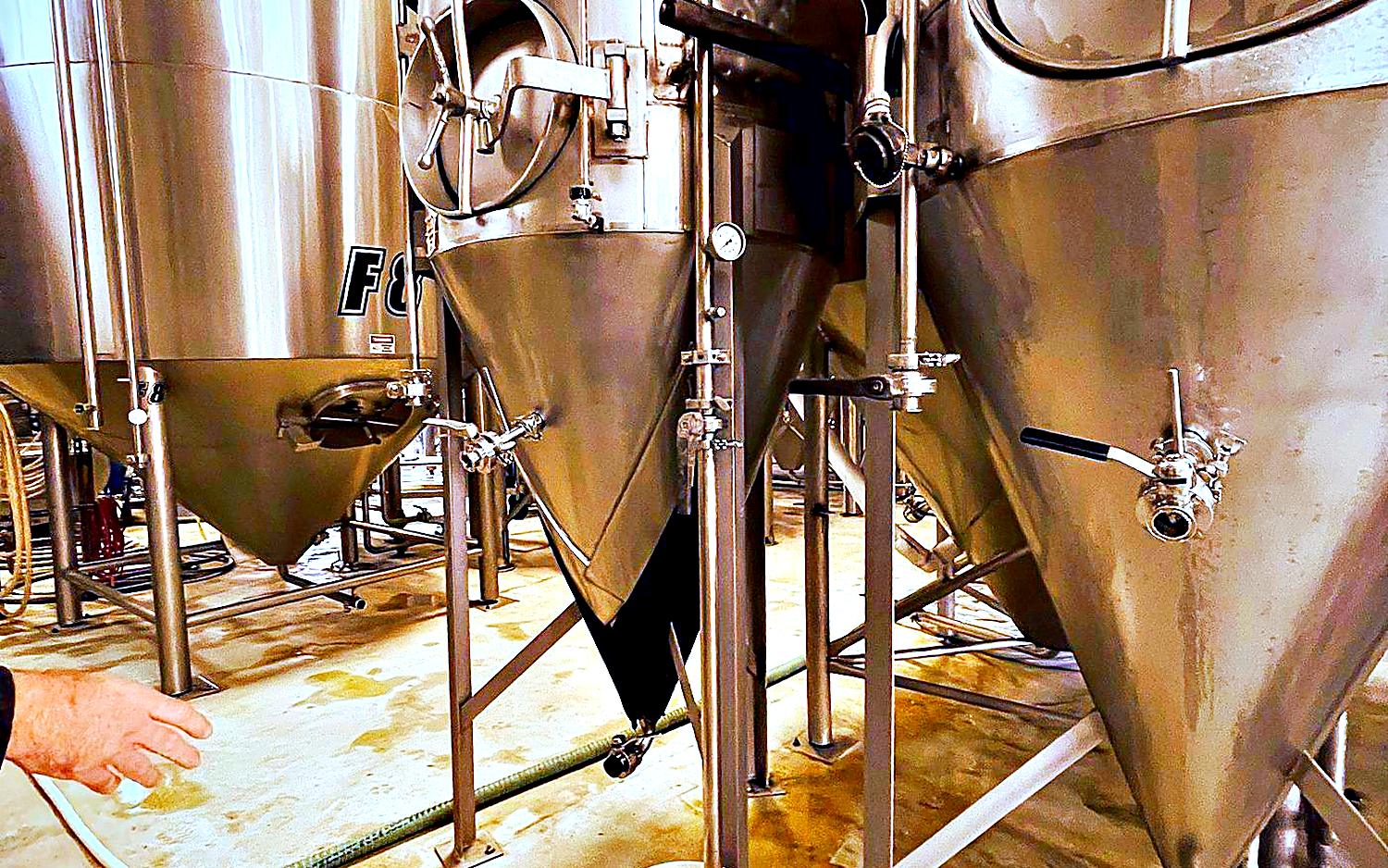
That scale is the reason the vanilla range looks the way it does. Supercritical CO2, solvent extraction, spray drying, encapsulation, nano milling and precision fermentation are not vanilla-specific investments - they are platforms already running for pepper, paprika, turmeric and a hundred other crops. Vanilla gets to use all of them.
Most vanilla specialists are vanilla specialists. We are an extraction company with a vanilla portfolio - which is why the range covers CO2, encapsulation and fermentation as well as beans and extracts.
By the numbers
The business behind the vanilla
Capability
Six ways to get flavour out of a pod
Aqueous-ethanolic extraction
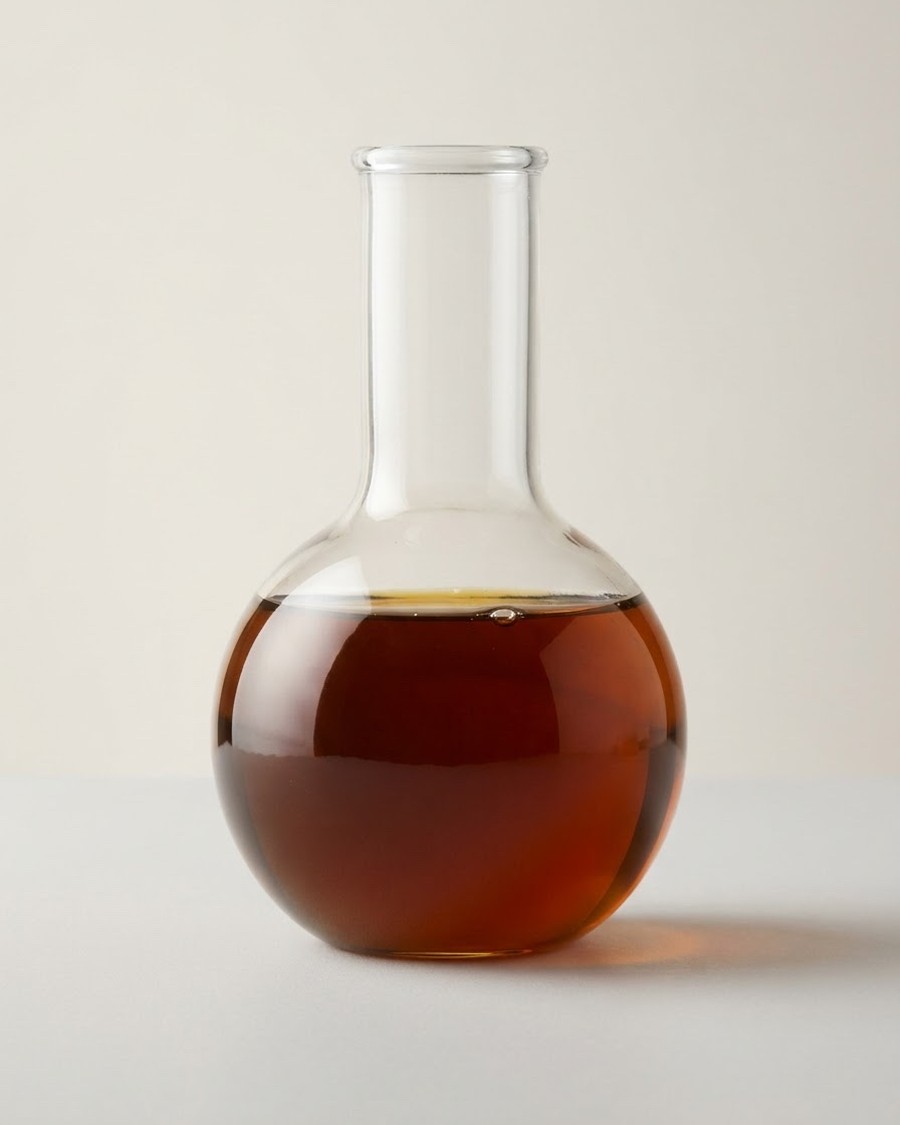
The classical route, and the one the US standard of identity is written around. Cured pods macerated in aqueous ethanol, then concentrated to fold. It is what most of the world means by vanilla extract.
Concentration to oleoresin
Taken further than an extract, to the whole extractable fraction of the bean with the resins left in. Rounder and more persistent, and dosed in tenths of a percent rather than whole ones.
Supercritical CO2
Carbon dioxide behaves like a solvent under pressure and leaves as a gas when the pressure drops, so nothing remains to declare. No solvent, no water - which is why these are the grades that go into chocolate.
Milling and nano milling
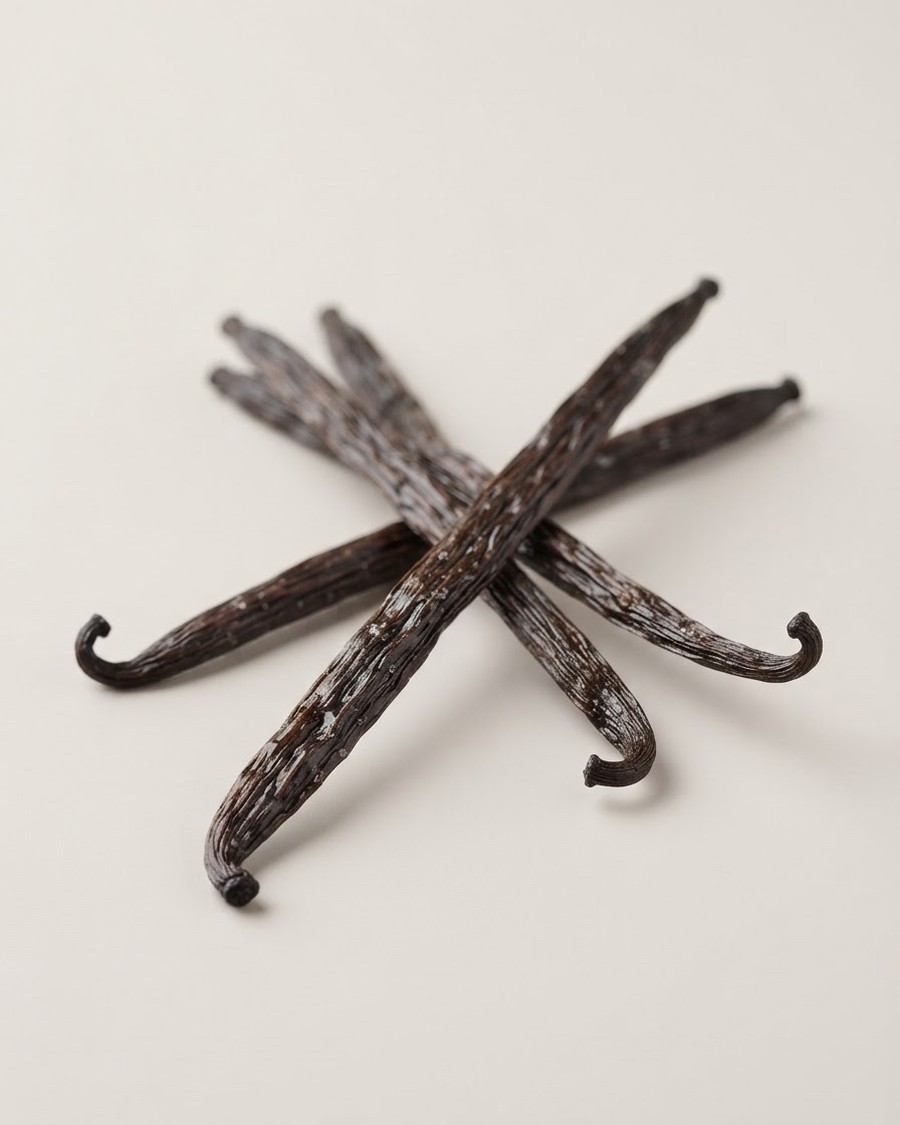
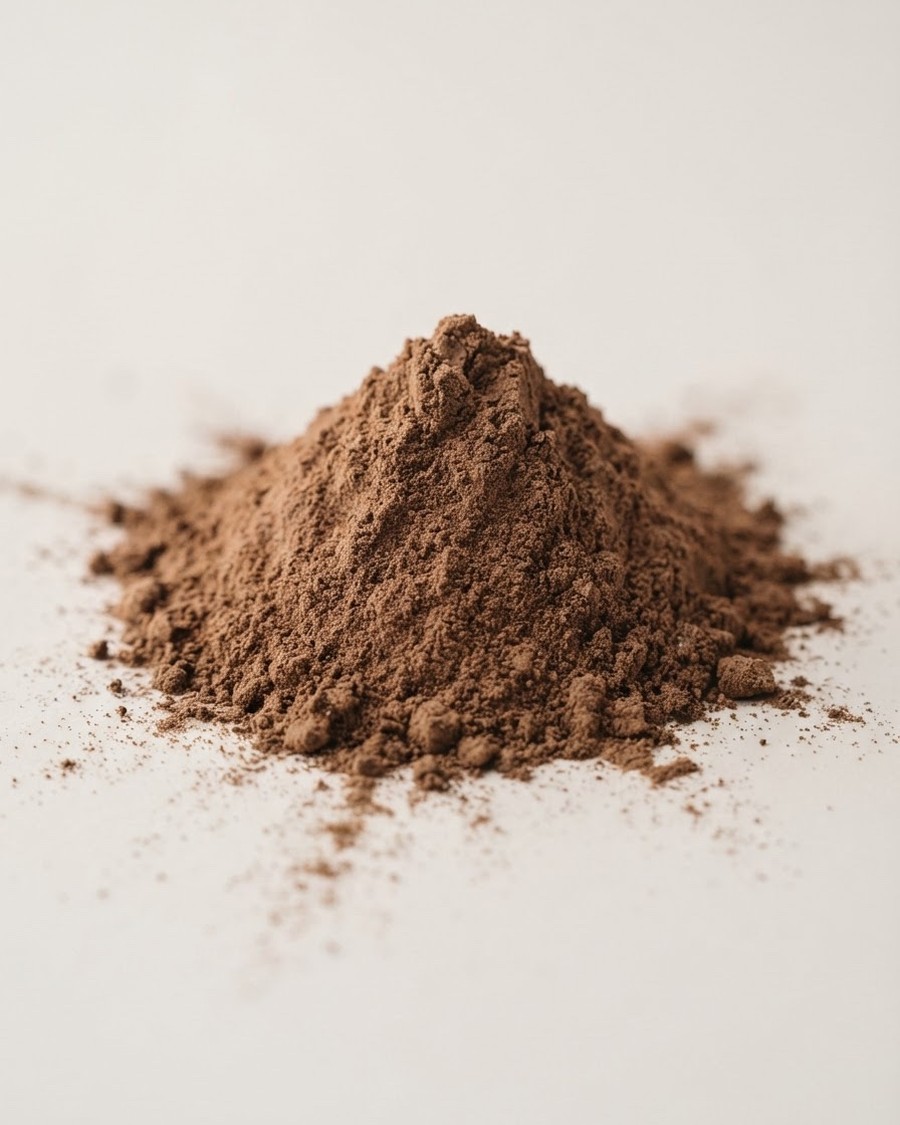
The pod itself, ground and sieved to specification. Coarse for visible speck, fine for flavour release. A single-ingredient declaration, because nothing has been added to it.
Spray drying and encapsulation
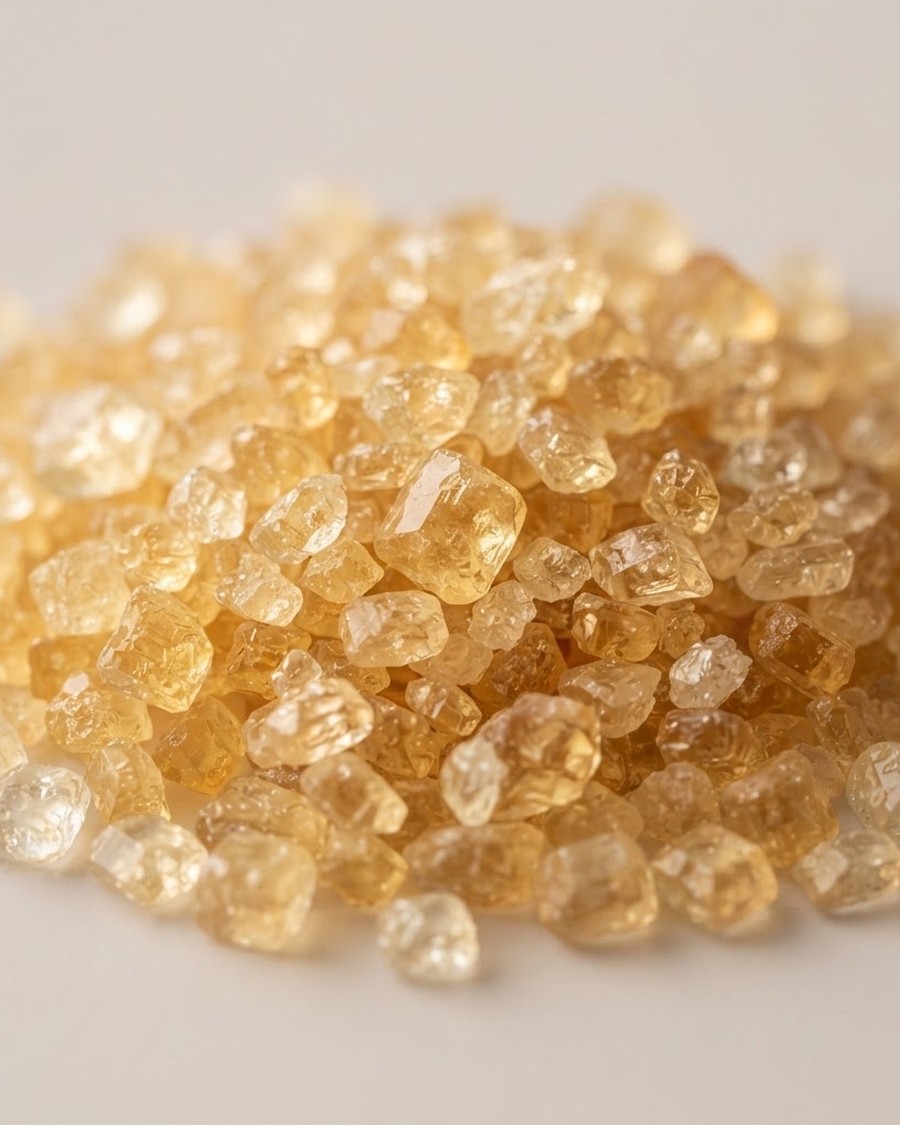
Flavour dried onto a soluble carrier, or held inside a starch shell until the bake is over. This is how a dry premix carries a liquid extract's character, and how a biscuit still tastes of vanilla after twelve minutes at 200 °C.
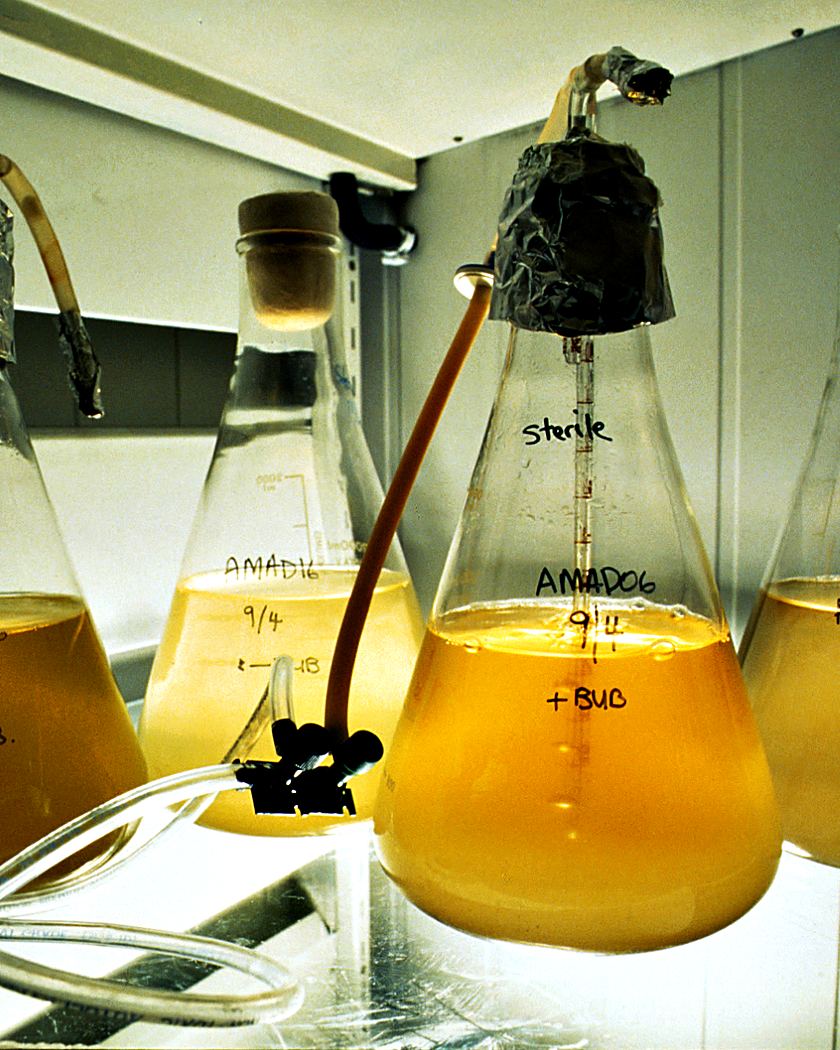
Precision fermentation
Natural vanillin produced by fermentation rather than harvest - fully natural under both the US and EU frameworks, and not constrained by what the vanilla crop did that year. The strength behind NeoVanil™.
Sustainability
Sourcing that has to last longer than a contract
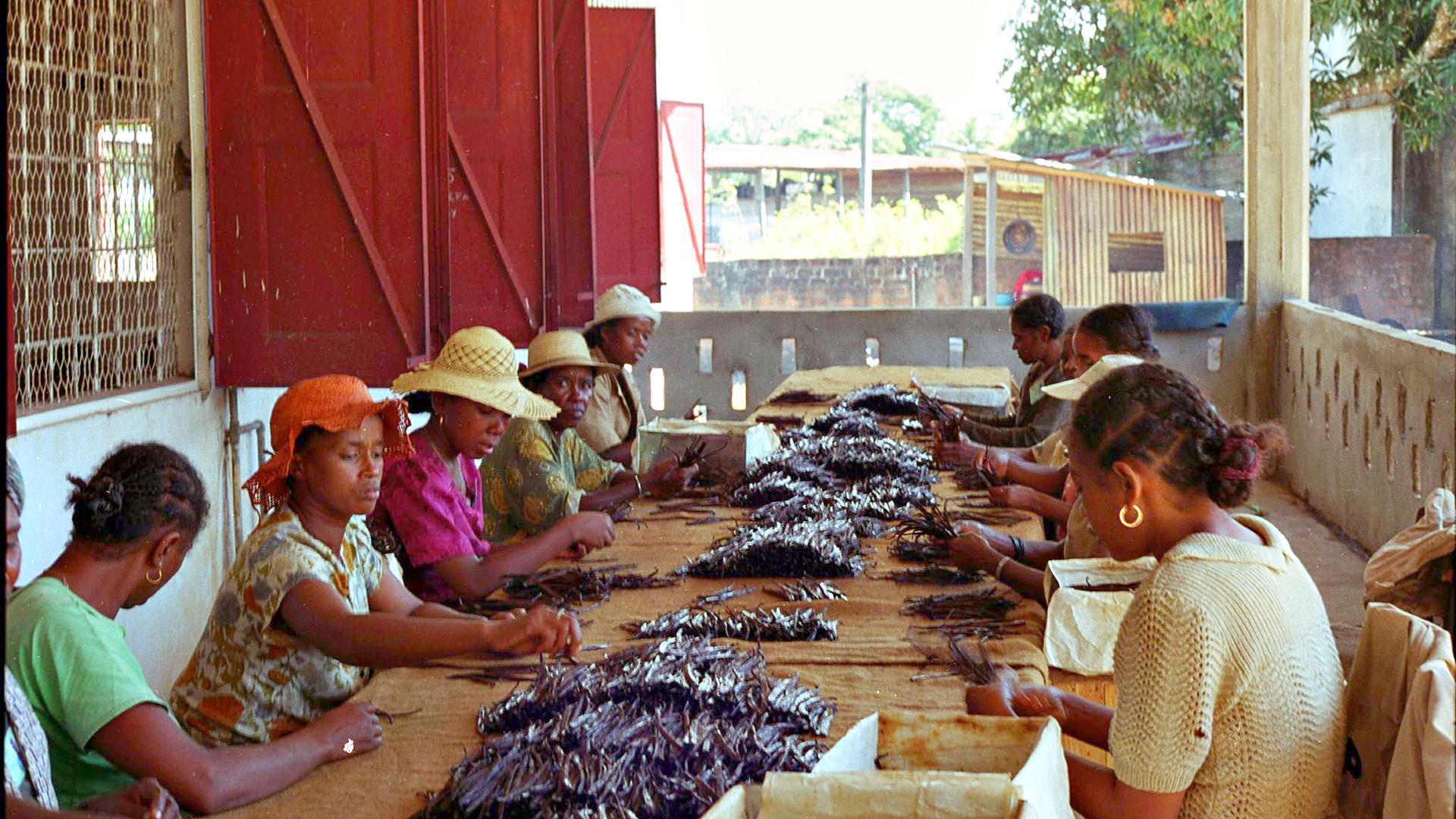
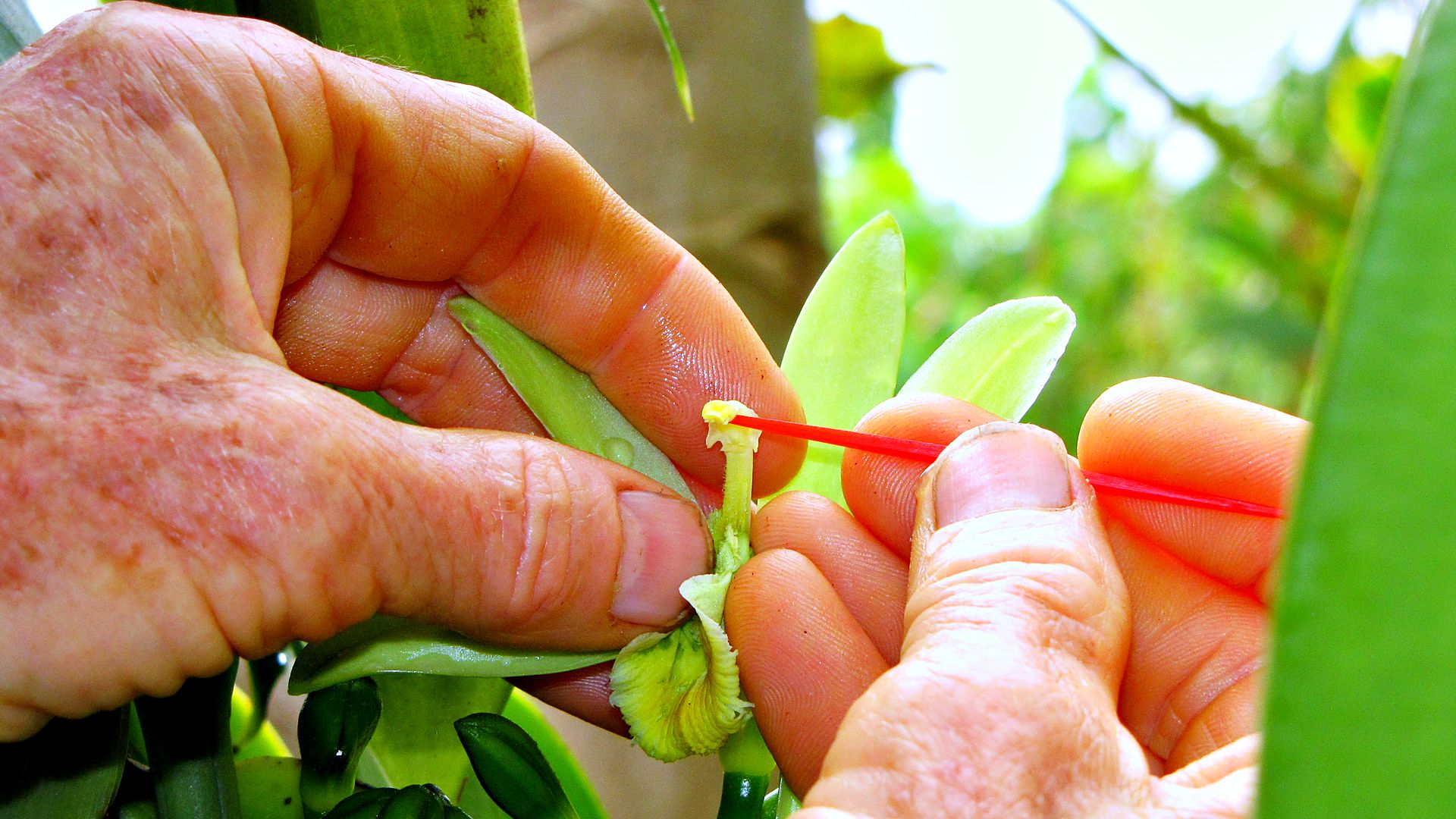
Vanilla is a crop with a long memory. A pod harvested this season was pollinated by hand nine months ago and cured for six months after that. Supply chains that treat it as a commodity to be bought on the spot market are the reason the price has swung by an order of magnitude twice in twenty years.