Why origin matters
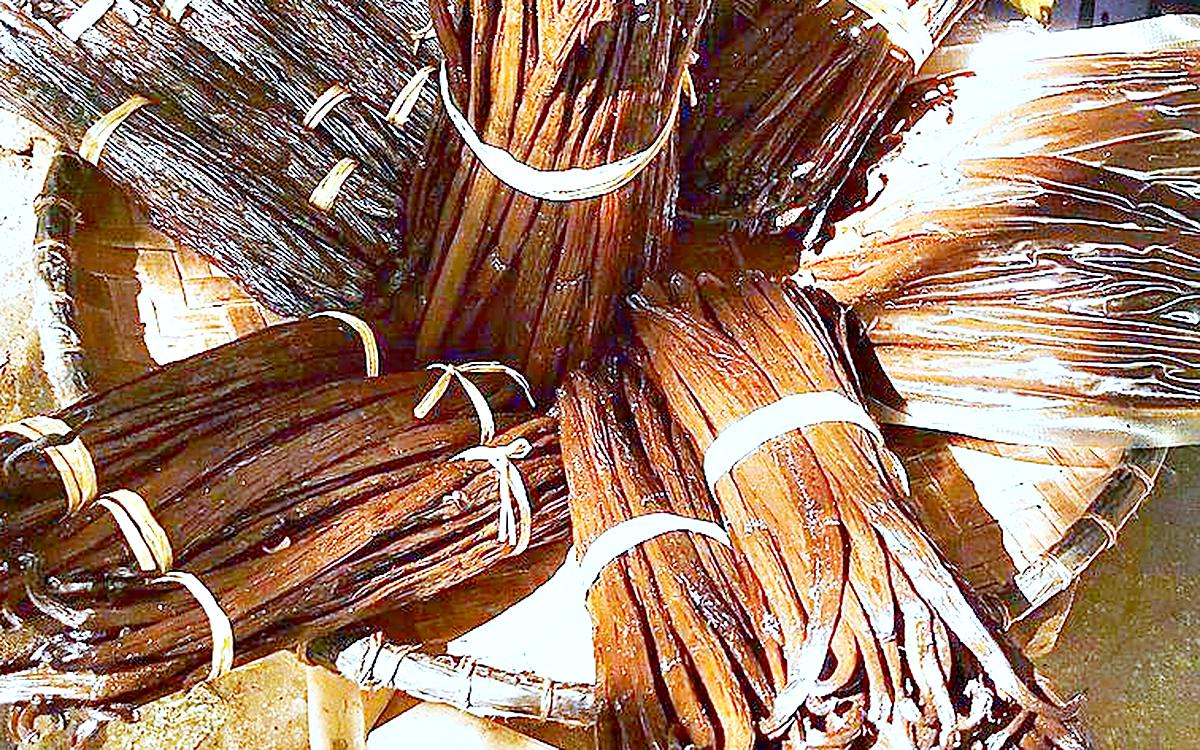
Curing writes most of the flavour
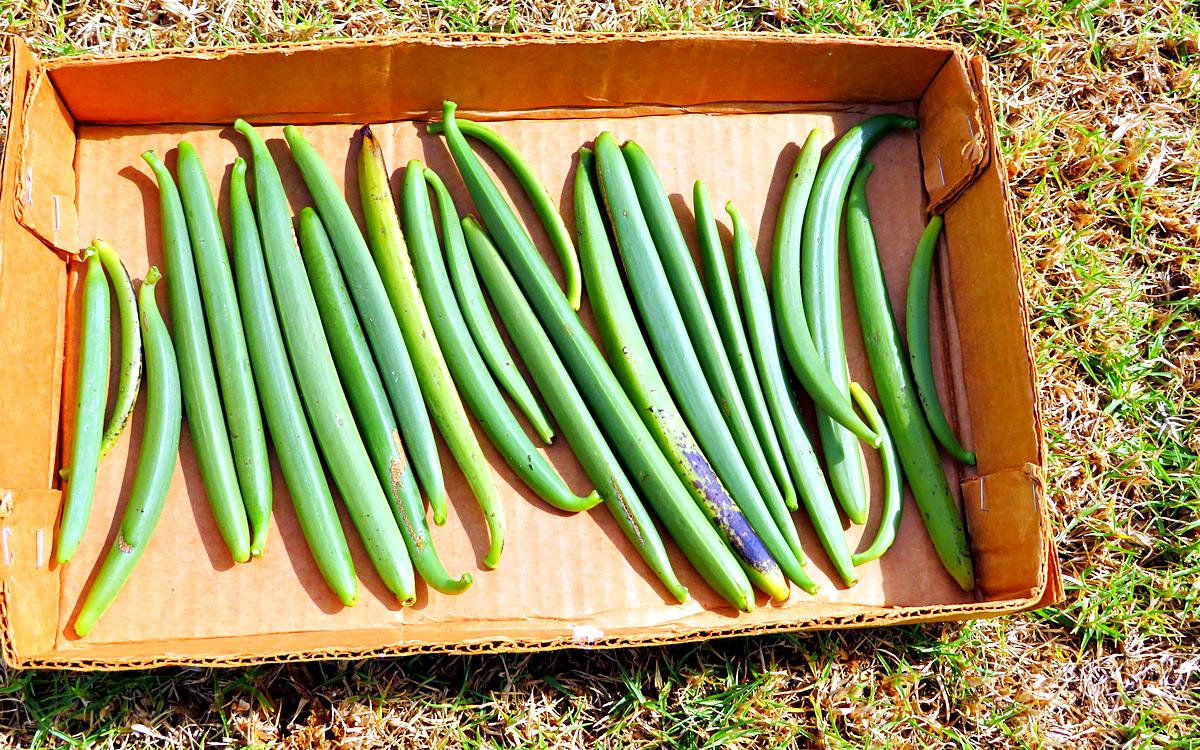
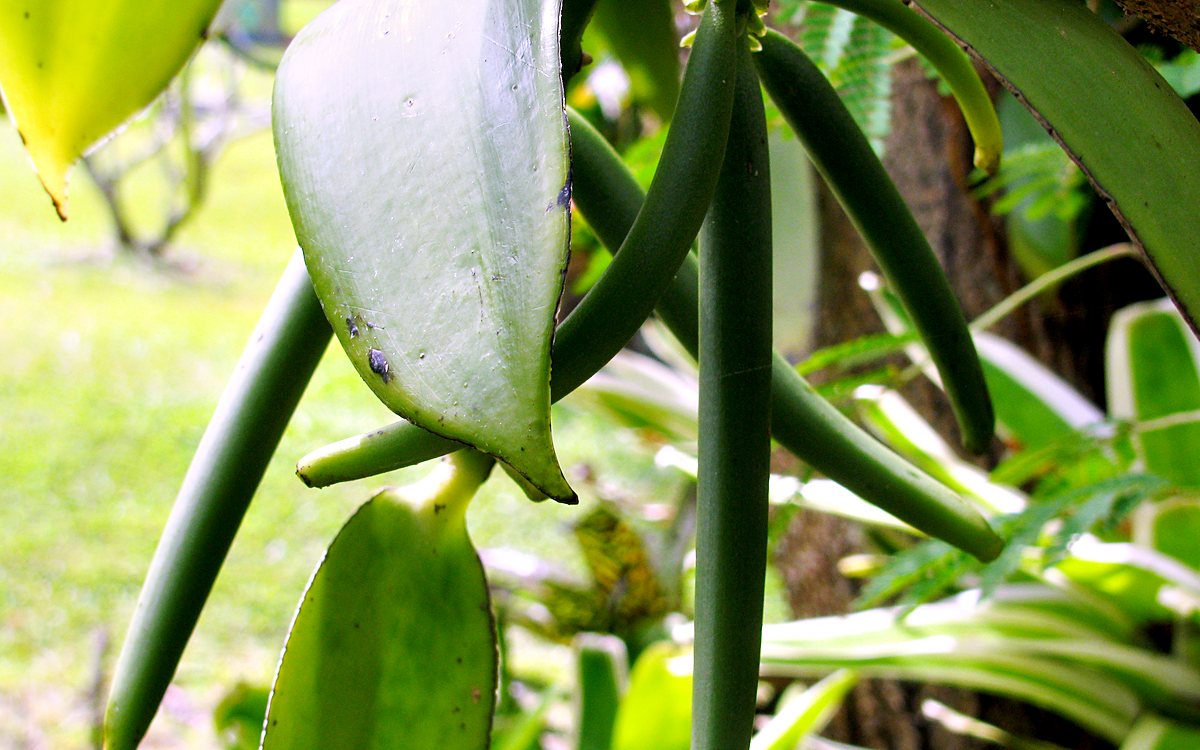
A green vanilla pod has almost no smell. Vanillin and the several hundred
constituents around it are locked in bound, odourless forms, and only curing
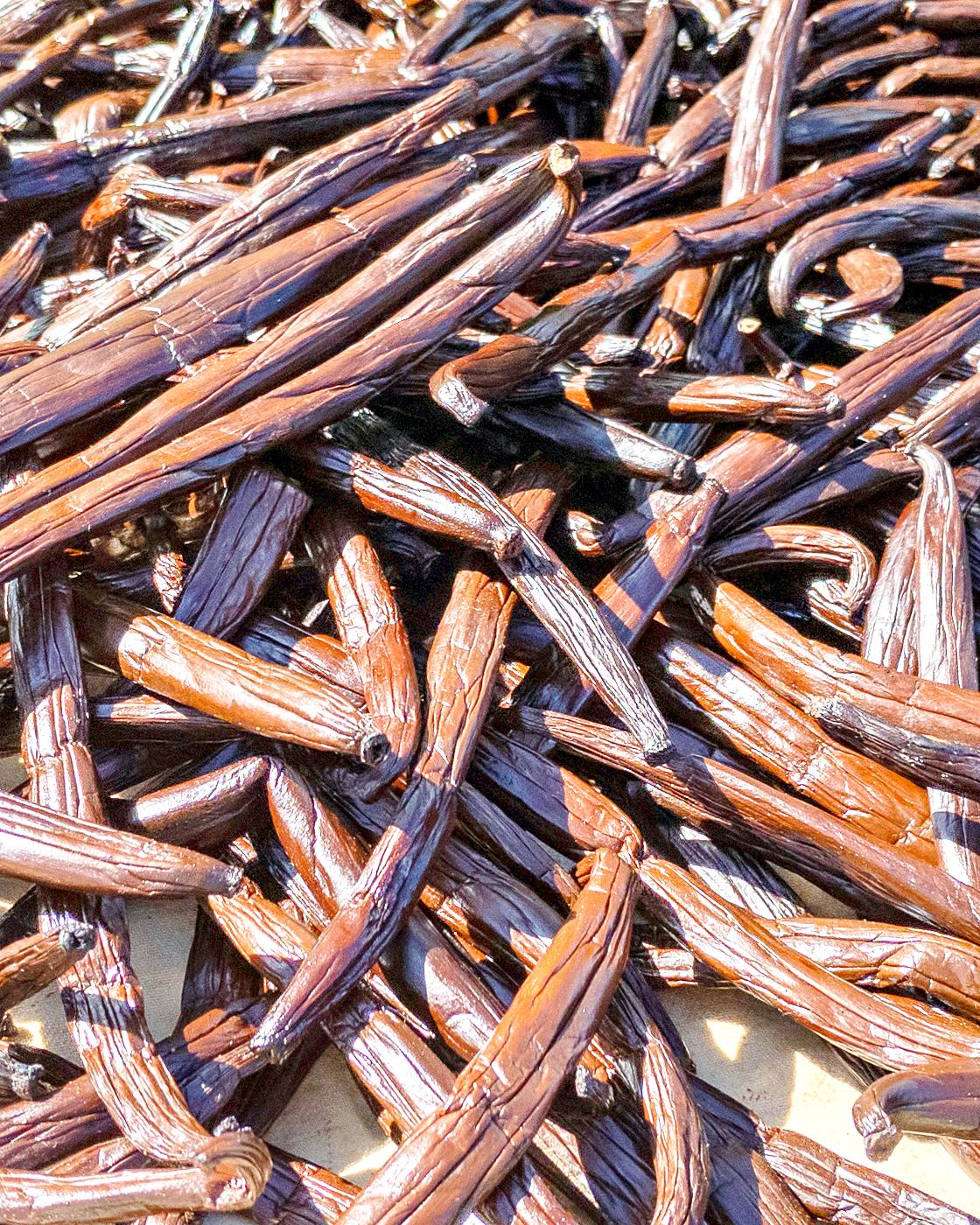
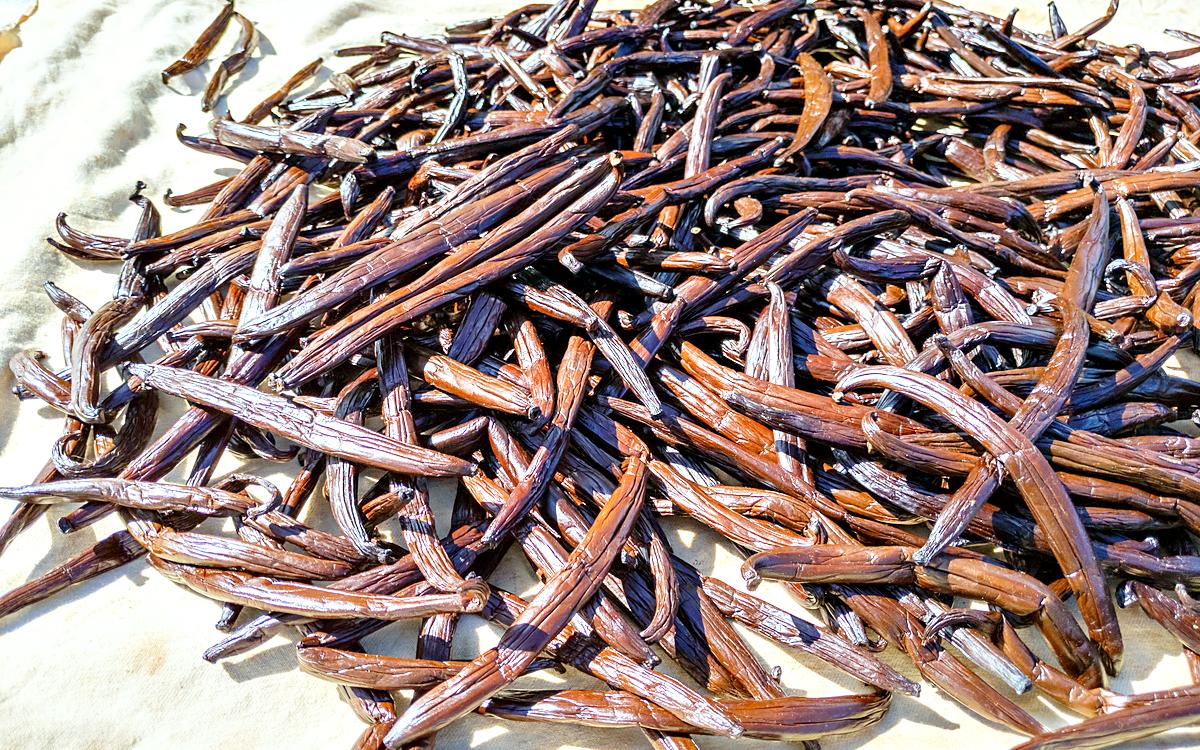
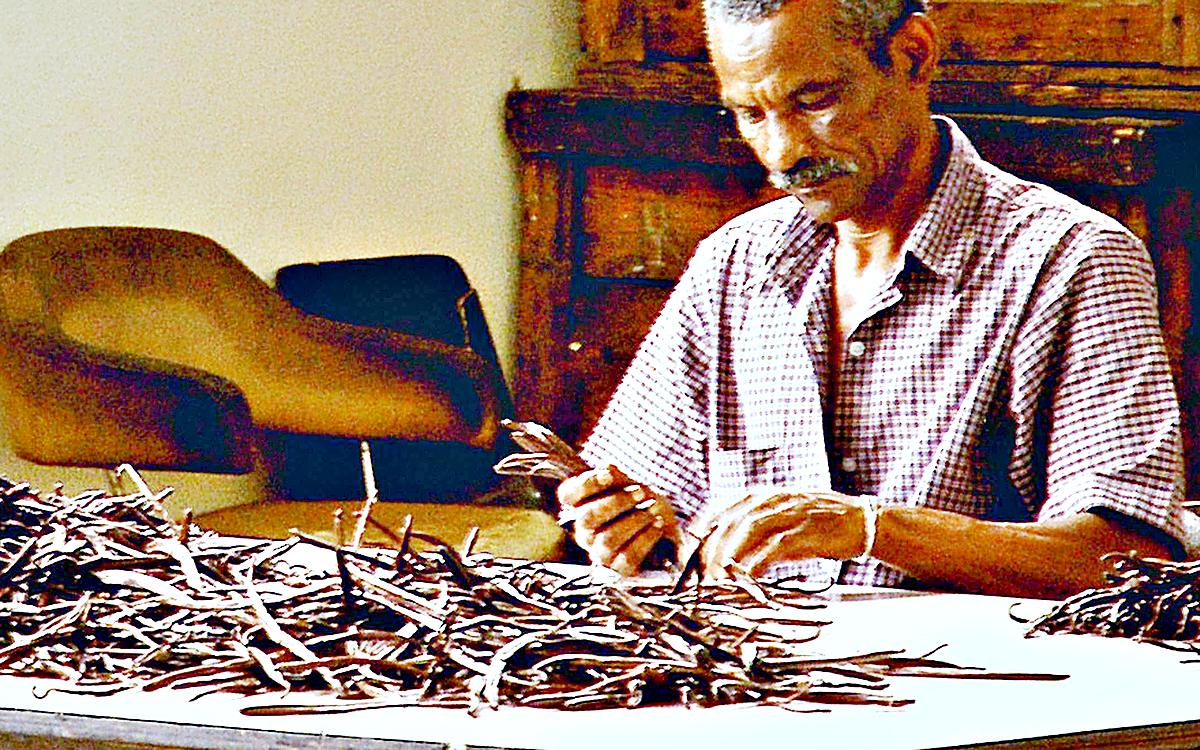
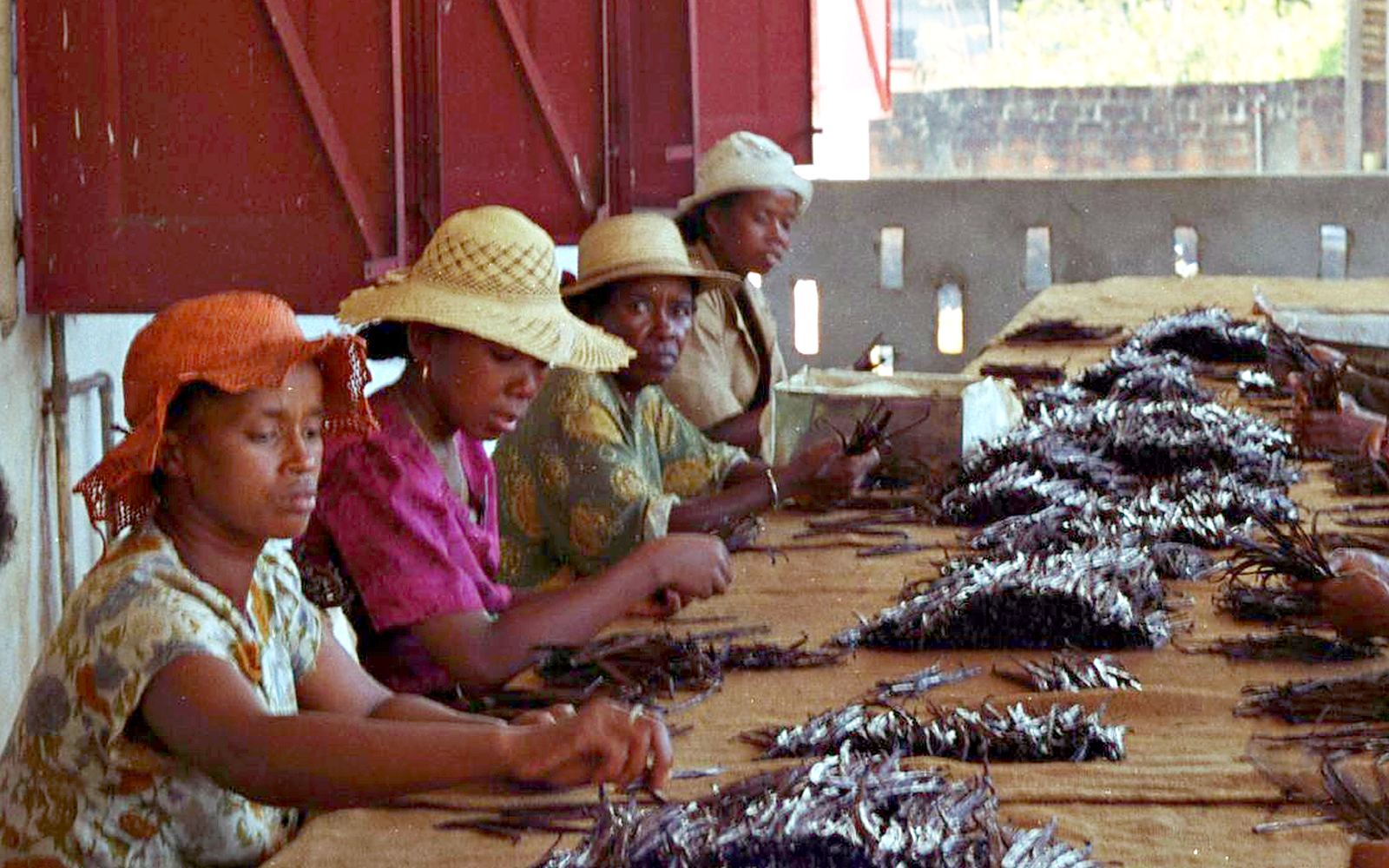
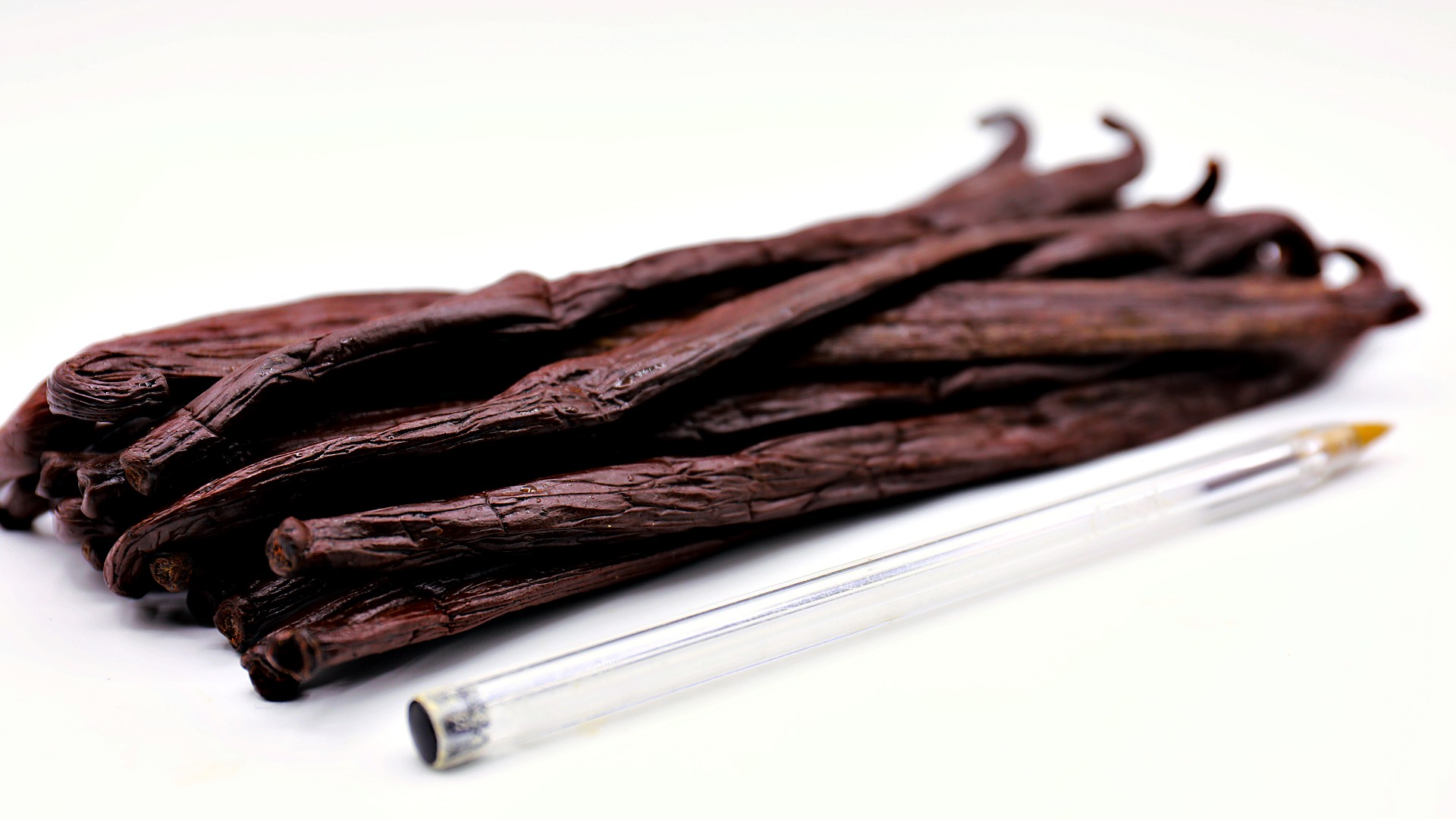
releases them - killing the pod, sweating it, drying it, then conditioning it for
months while enzymes do the work.
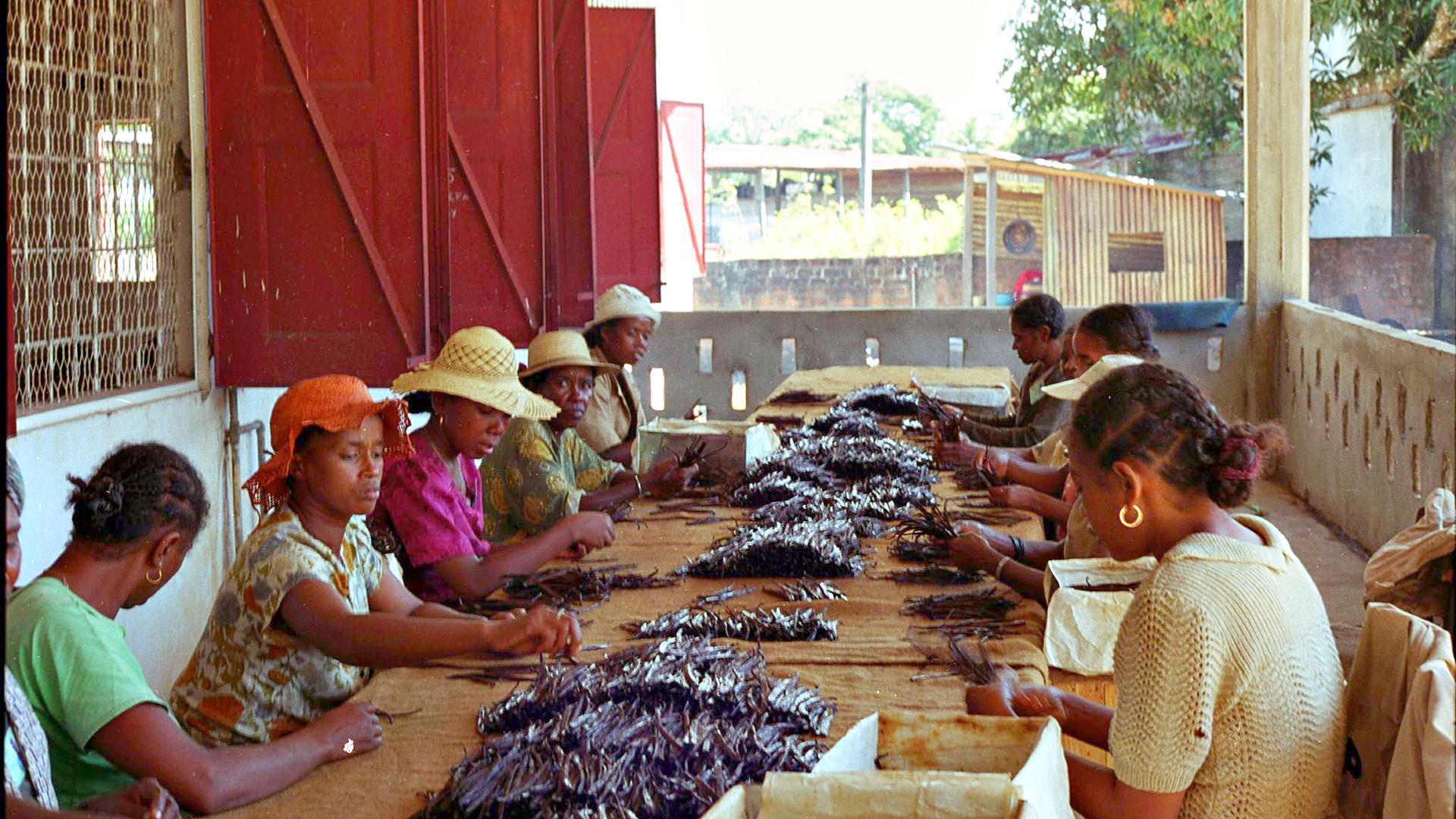
How that is run varies enormously by region, and the differences show up in the
glass. Madagascar's long, slow sweat produces the creamy, balsamic Bourbon profile
that the rest of the industry is read against. Indonesian producers dry fast and hot,
often over fire, and the beans carry a smoky, phenolic signature as a result.
Ugandan and Tanzanian beans of the same species come out darker and more
chocolate-adjacent than their Malagasy cousins.
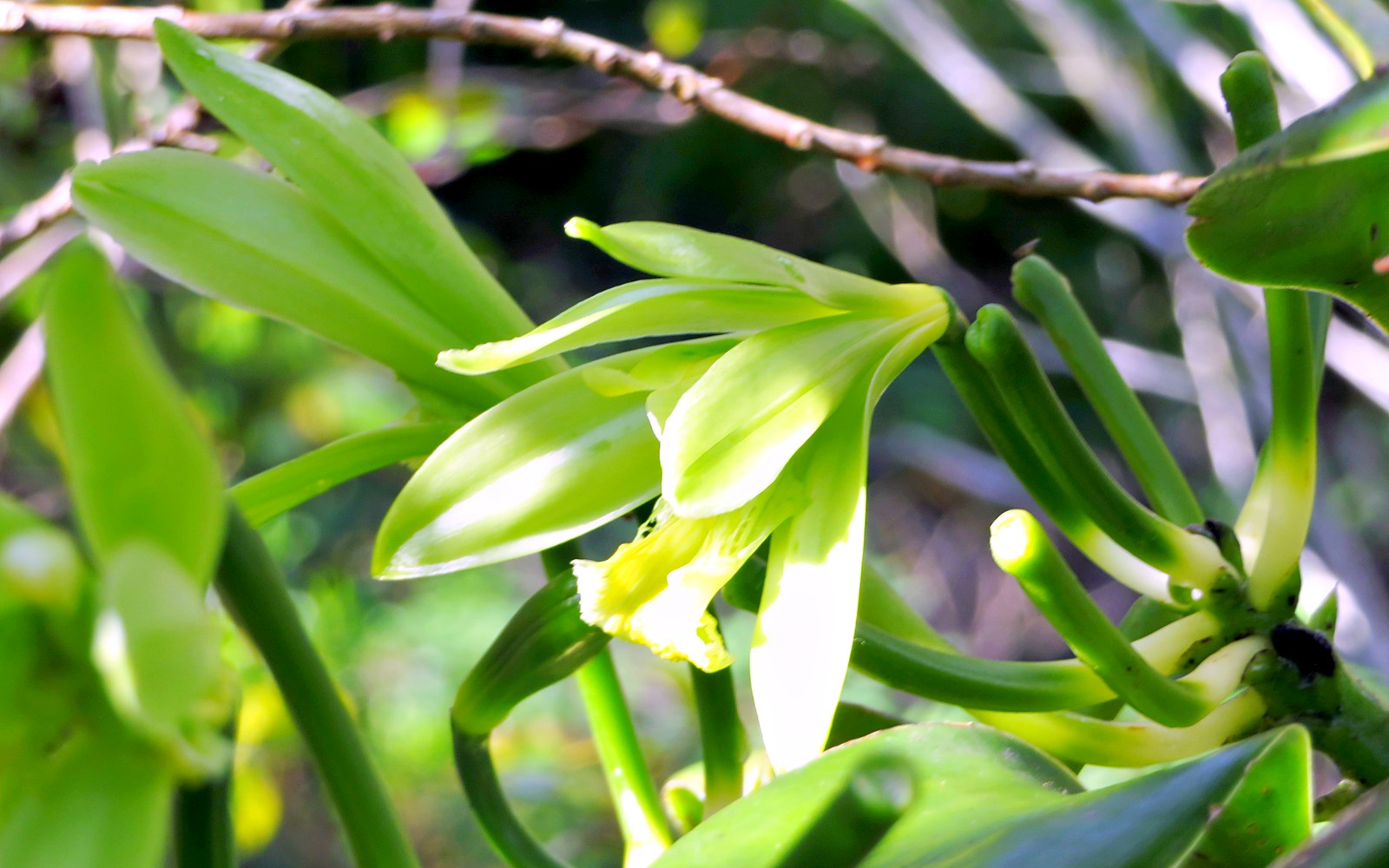
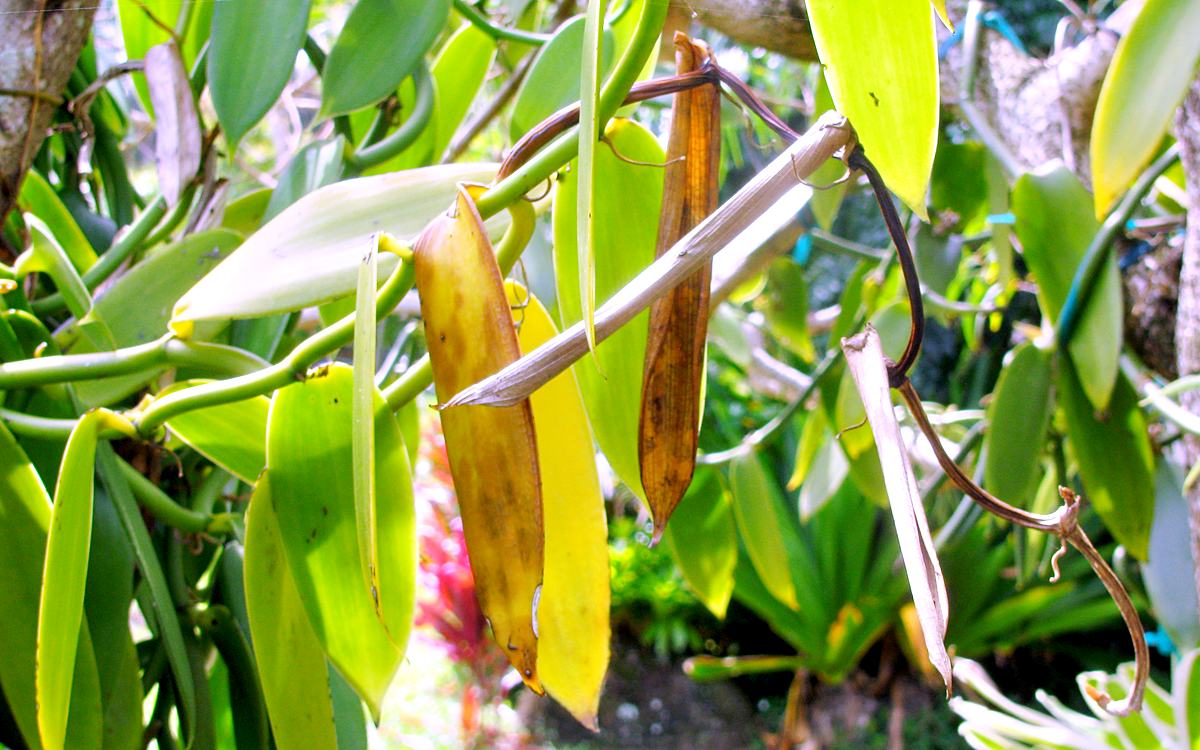
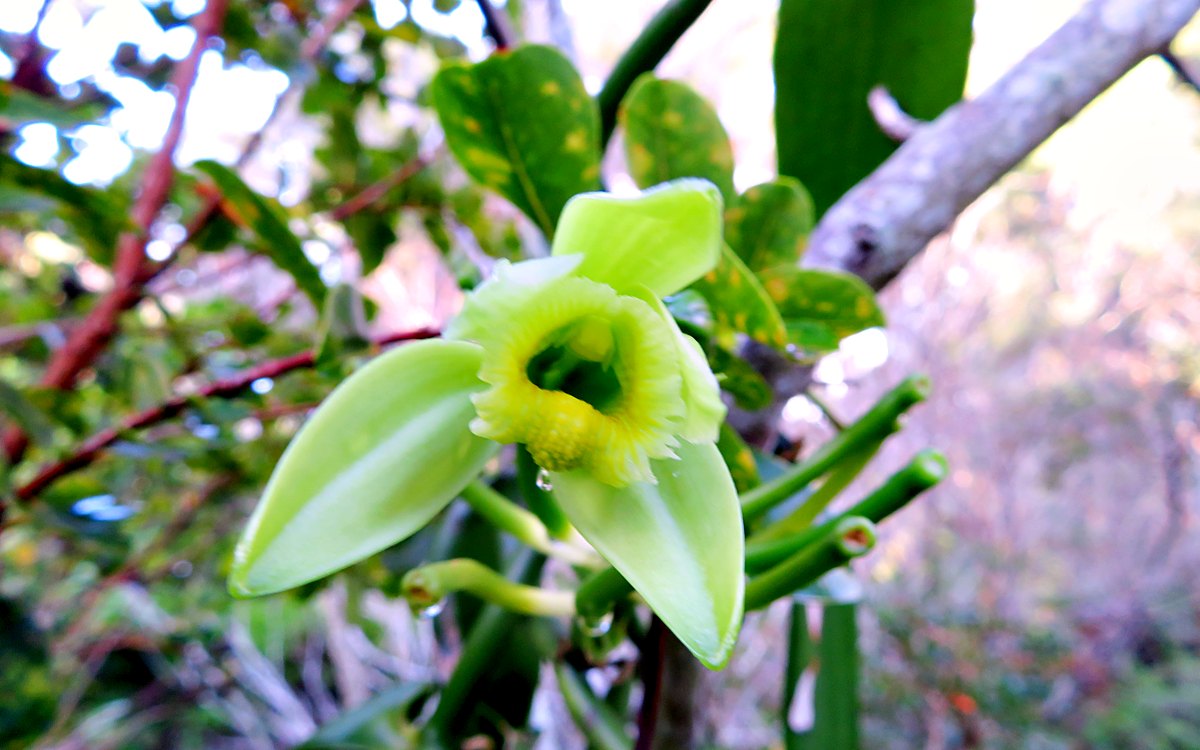
Then there is species. Most of the world's vanilla is Vanilla planifolia.
Papua New Guinea grows predominantly Vanilla ×tahitensis, which builds
anisyl compounds instead of some of the phenolics and reads as floral, fruity and
perfumed rather than creamy and balsamic.
Two pods, same species, same vanillin figure, different
countries - and a trained panel will separate them every time.